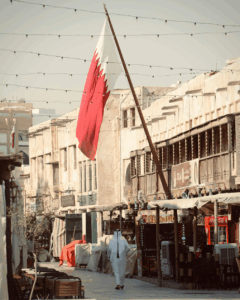
Qatar's Fourth UPR
The crystallization of 317 recommendations, reflecting both international vigilance and cautious optimism surrounding Qatar’s human rights commitments.

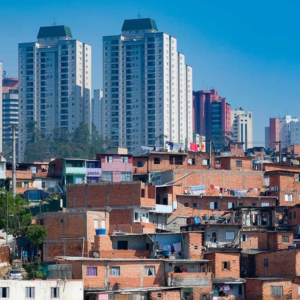
Economic Disparities and Inequalities
Economic disparities and workplace inequalities in Qatar stem from structural, gendered, and demographic factors deeply embedded in the nation’s socio-economic framework..

Historical Context of Migrant Workers
The mid-20th century commercialization of oil transformed Qatar’s economy, driving rapid urban growth and a rising demand for labor much like other GCC states.
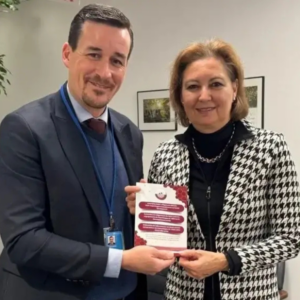
Aligning with Copenhagen Declaration 1995
As Qatar prepares to host the United Nation’s Second World Summit for Social Development (WSSD) in early November 2025, the nation finds itself at a critical crossroads.
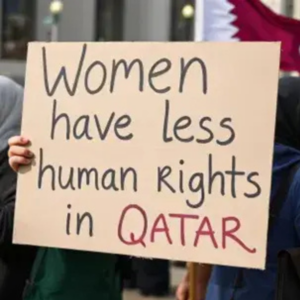
International Women's Day 2025
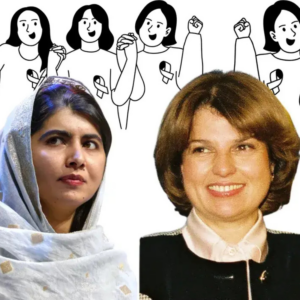
While Qatari women today are increasingly visible in education and the public sector, their rights and freedoms remain curtailed by laws and practices that reflect deep-rooted gender inequalities.
Progress Since Beijing
The Beijing Conference, a landmark event held in Beijing, China, from September 1995, was focused on the empowerment and the advancement of women worldwide.
Impact of Immigrant Workforce
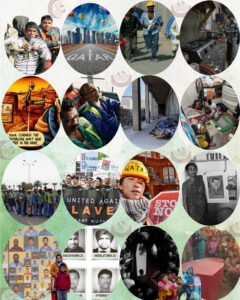
Qatar, a nation that has transformed itself into a global powerhouse, stands tall today because of the hands that built it.
Assessing Qatar and The Copenhagen Declarations
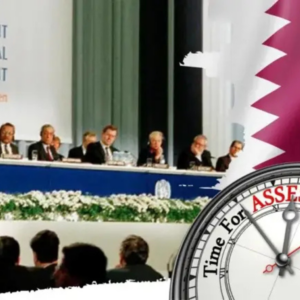
For over a decade, Qatar has made notable strides in social development, shaping policies and initiatives aimed at improving the well-being of its people.